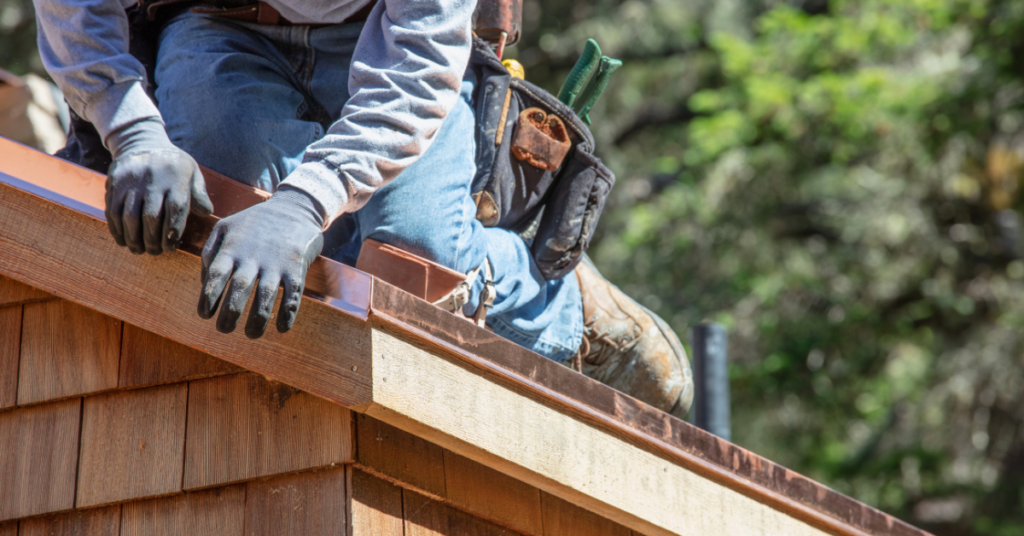
roofing professional installing a copper roof

The Long-Term Benefits of a Copper Roof

Rock Master Scott & the Dynamic Three famously sang about the roof being on fire, and our assessment is that they clearly weren’t living under a copper roof. But a Class A fire rating is just one of a long list of benefits offered by this roofing option that’s rapidly gaining popularity among homeowners. It’s known for its longevity and resistance to things the weather likes to throw at us, and it does wonders for your property’s protection and efficiency. Oh, and it’s really stylish!

Let’s take a good look at everything copper roofing can provide for your home.

Exceptional Durability

We’ll start off with a heavy-hitting benefit: The longevity and strength of copper is impressive, so it makes sense that an entire roof made of the stuff benefits from these qualities. Assuming you give your roof the proper TLC it deserves, a copper roof could last anywhere from 60 to 100 years. While there are roofing options that offer decent durability, they don’t hold a candle to copper. In addition to being rust- and corrosion-resistant, it can withstand harsh weather conditions like:

  • Heavy snow
  • High winds
  • Temperature fluctuations
  • Hailstorms

Low Maintenance

Want a roof that requires minimal maintenance? Copper is a great choice! Its natural properties—like the development of a patina over time—give it an impressive resilience against environmental damage. A patina in particular is a big benefit that no other roofing material can offer. It acts as a shield against deterioration, meaning repairs and replacements are the exception rather than the rule. Because of this, your copper roof investment will be cost-effective and hassle-free!

Energy Efficiency

Energy efficiency is a big selling point these days, and for good reason. Why wouldn’t we take advantage of features that provide us with quality products while minimizing harm to the environment? Luckily, copper roofing has that reflective quality you’re likely already familiar with. This stands in stark contrast with materials that absorb sunlight and make it more difficult to regulate indoor temperatures (read: it makes HVAC systems work much harder than a copper roof installation). You’ll be thanking yourself for that roof when temperatures in the summer months are bearable and your electric bill isn’t astronomical.

If you really want to maximize that energy efficiency, pair your roof with quality insulation. The reflective outer shell working in tandem with this reliable material can prevent heat loss in the winter and keep your costs low from January 1 to December 31. It’s a smart choice for the eco-conscious homeowner!

Sustainable Materials

On a related note, copper itself is friendly to the environment! This sustainability is evident in three primary ways:

  • 100% Recyclable: When the time comes to remove your copper roof (again, in 60 to 100 years), it can all be repurposed rather than discarded!
  • Reduced Waste: Plenty of natural resources are conserved over the lifespan of a copper roof. Think of the minimal need for replacement parts and the energy you save!
  • Eco-Conscious Choice: Simply put, copper roofing helps to conserve natural resources over time.

Aesthetic Appeal & Patina Development

Glance at a row of five houses. Two have slate roofing, two have architectural shingles, and one has copper. Which house will you notice first? Probably the one with a vibrant, red-orange color to it (and green, if patina has developed). This is something to consider when choosing your own roofing materials. And speaking of that patina, it serves as more than a shield against the elements. Many consider it to be a nice addition to the look of the home as a whole. It offers a rustic touch that doesn’t give the impression of damage.

Increased Property Value

We often tell ourselves that the home we’re in is our forever home. For many, that may well be the case. However, there are advantages to keeping things in great shape, the immediate being that you feel better in the space thanks to its cleanliness. Looking at the bigger picture, though, it’s always a good idea to maximize the market value of your home, despite your intentions to stay; better safe than sorry!

In the hypothetical scenario in which your house goes on the market, buyers are going to be looking for great visuals as well as a home that won’t become a money pit. The aesthetics and long-term maintenance benefits we’ve already discussed play a major role in the value of your home.

Call PJ’s for Your Copper Roof Installation

A copper roof offers numerous benefits that will serve you well in the long-term. The longevity, energy efficiency, and low maintenance requirements are made even sweeter by the unique look offered by copper roofing and its trademark patina trait. If you’re ready to pull the trigger on a new roof that will give your house this durability and personality, get in touch with us today!

roof covered in snow that could have a roof leak

How to Identify a Roof Leak During the Winter Months

Winter is, by most accounts, the harshest season of the year. Temperatures drop, the air is dry, we enjoy less daylight … the list goes on. But perhaps the one thing people associate most prominently with winter is snow. And where there’s snow, there’s likely ice. This ruthless combination of frigid-weather effects can spell disaster for not just people, but for structures. You may be warm and cozy inside your home in these cold months, but that doesn’t mean mother nature isn’t trying her darndest to get in. Sometimes, she succeeds by causing a roof leak, one way or another.

When this happens, your best course of action is to identify the issue, implement repairs, and take steps to avoid it repeating itself—all of which we’ll explore in this blog.

Common Causes of Winter Roof Leaks

How do you take preventative measures if you don’t know what causes an issue? You don’t. But that’s about to change. If you discover a leak in your roof, there’s a good chance it was caused by one of the following:

  • Ice Dams: These can be a real nuisance. Ice dams form when the heat from your attic causes the snow on the roof to melt. The melted snow—er, water—runs down the slope of your roof, finding a nice little spot near the edge to refreeze and form a dam of ice. This means water can’t drain through the intended avenues, but it has to go somewhere. If enough accumulates, it will force its way under your shingles and into your home
  • Snow Accumulation: Rooftops are built to be strong, but there’s a limit to how much weight one can hold before it buckles. If enough snow accumulates on your roof, structural strain can occur and weak points can be exposed, leading to significant issues if the problem is left unchecked.
  • Freeze-Thaw Cycles: Many of us are familiar with the freeze-thaw cycle. We get a few inches of snow, and the next day the sun is out, slowly melting the snow. However, once that sun goes down, the temperatures drop and all that melted snow freezes. For your roof, that means water that has seeped into small cracks or gaps is now turning to ice and expanding, creating issues that could become big problems.
  • Poorly Sealed Features: Of course, it’s not just the snow and ice to blame. Sometimes, winter roof issues can be primarily caused by poor craftsmanship. Vents, skylights, and chimneys can be weak points if their structural integrity was never 100% to begin with.

We wouldn’t say knowing the causes of a roof leak is half the battle, but it’s very important! There’s still plenty to cover, though.

How to Find a Roof Leak

Knowing how to find a roof leak is just as important as the roof leak repair itself. If it’s never spotted, no repair can be made, and the problem keeps getting worse and worse. So let’s go over the signs you should keep your eyes peeled for to avoid disaster:

  • Water Stains: When water makes it far enough into the structure, the walls can be very telling. Discoloration or staining are often the first visible signs that water has infiltrated your house uninvited.
  • Dripping Water: If you spot water dripping—or pouring—out of a crack in your ceiling, there’s a 100% chance that’s not supposed to happen.
  • Peeling Paint or Wallpaper: Bubbling or peeling wallpaper is another telltale sign that water is trying to sneak in and cause mischief.
  • Musty Odors: Sometimes leaks aren’t visually apparent, and we have to rely on our sniffers. Hidden leaks can easily dampen areas, fostering mold and mildew, which your nose will probably alert you to—unless you’re like me and are constantly congested in the winter.

Inspection Tips for Identifying a Roof Leak

Regular winter inspections are a great way to make sure no leak goes unpunished. If you want to catch leaks early, here’s what you can do:

  • Check From Inside the Attic: Be on the lookout for wet spots, trails of water, and even sunlight coming through gaps in your roof.
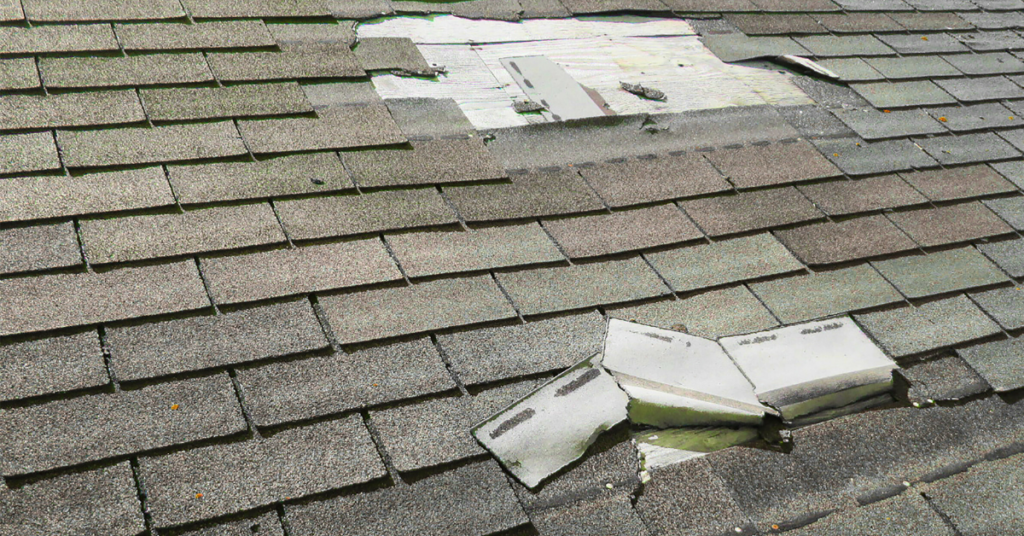
  • Inspect the Exterior: Examine the outer part of your roof, paying close attention to anything that looks off—missing or damaged shingles, bent flashing, or ice dams.
  • Use Binoculars: While some people use binoculars to spy on other houses, you can use yours for a more noble cause: spotting leaks. If climbing onto your roof isn’t something you’re comfortable with, finding a good spot and inspecting from afar is a safe alternative.

What to Do If You Find a Leak

You know the signs to look for. You’ve given your roof an inspection. You’ve identified all the problem areas. Time to get to work! The faster you act, the more likely you are to mitigate the damage (and the cost).

  • Temporary Fixes: Place a tarp over the affected area for the time being. This will prevent further damage until a proper solution can be implemented.
  • Contact a Professional: A licensed roofer will be able to provide a professional assessment and permanent solution to your roof leak issue, ensuring your home is protected through the rest of the winter and beyond.
  • Preventative Measures: Debris can build up easily in your gutters, especially if you live in a wooded area. Be sure to check them regularly and clear them of leaves, dirt, sticks, waffles (true story), and any other debris.

Trust the Roof Leak Repair Experts

A roof leak during the frigid months of winter has the potential to lead to costly disasters for your home and your comfort. Early detection and prompt repairs are essential to nipping these issues in the bud. If you’re facing a leaky roof issue in all this cold weather, don’t be afraid to reach out. We’ll fix your roof right up so you can stay cozy.

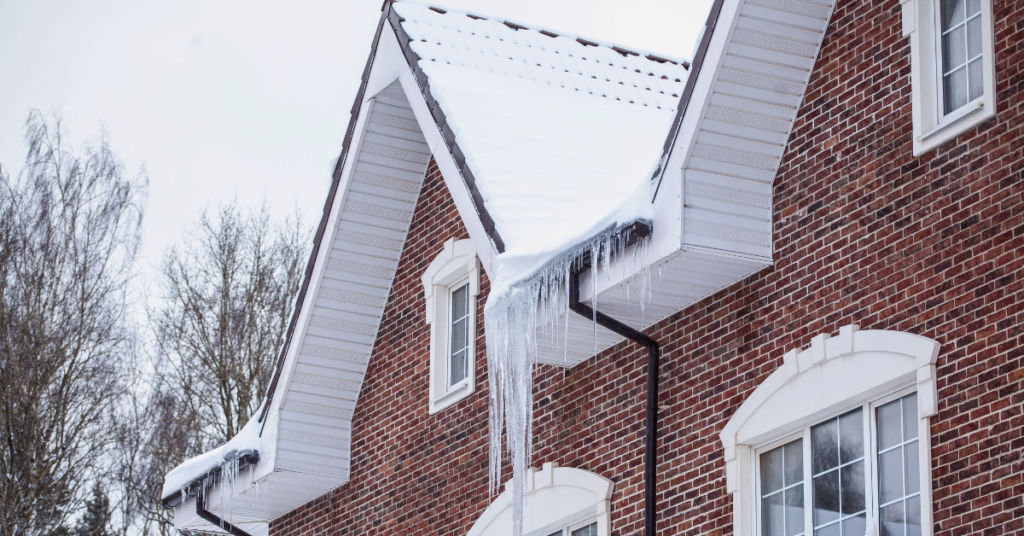
brick house with ice dams on its roof

How to Prevent Roof Ice Dams

Home ownership can be both a blessing and a curse. It’s great to have a place you can call your own. You don’t need anyone’s permission but your own to repaint the living room, renovate the kitchen, or redo the landscaping. But with that freedom comes the responsibility of maintenance, of keeping a watchful eye on the things that can do damage to the home you love; roof ice dams are one of those things. These formations of ice along the edges of your roof can cause significant damage to your home in the form of, for one thing, gutters collapsing from a weight they were never intended to carry. Fortunately, with some proactive measures, you can prevent ice dams from forming and protect your roof, attic, and home from costly repairs. Here’s how.

1. Maintain a Consistent Roof Temperature

An ice dam is a buildup of ice that forms along the eaves of your roof, typically after a period of heavy snow. The primary cause is warm air escaping from the attic, which melts the snow on the roof. This melted snow then flows down the roof, but when it reaches the colder edges it refreezes and forms a barrier of ice. As this process continues, more snow melts and more ice builds up, creating a dam that prevents water from draining off the roof. By maintaining a consistent roof temperature, you can prevent this truly vicious melting-and-refreezing cycle.

2. Improve Attic Insulation

Proper attic insulation is one of the most effective ways to prevent ice dams because it’s one of the most effective ways to maintain a consistent roof temperature. Insulation helps keep warm air inside your living space, where it belongs, and prevents it from escaping into the attic. This keeps the roof cold, reducing the chance of snow melting and refreezing at the edges. Common insulation materials include fiberglass batt insulation, spray foam, and cellulose. Homeowners should aim for a high R-value (the higher the R-value, the better the insulation) to ensure adequate thermal resistance. Adding insulation to the attic floor can also help prevent heat loss.

3. Seal Air Leaks

Air leaks from your attic to the outside are another cause of the kind of heat escape that can lead to ice dam formation. Common places from which warm air can escape include around chimneys, vents, light fixtures, and electrical outlets. If warm air escapes through these gaps, it will increase the temperature of the roof, leading to melting snow and ice dams. Sealing such leaks with caulk or weatherstripping is an effective way to reduce heat loss. Pay attention to areas where ducts, pipes, or wiring enter the attic, as these are often sources of heat leaks.

4. Ensure Proper Ventilation

Adequate attic ventilation is another crucial factor in ice dam prevention. Roof and soffit vents allow air to flow through the attic, helping to maintain a consistent temperature across the roof. Without proper ventilation, the attic can become too warm, leading to snow melt and ice formation. Ensure your attic has enough intake (soffit) and exhaust (roof) vents to allow for good circulation, and check for any blockages, such as insulation or debris, which can prevent it.

5. Clear Your Gutters

Clogged gutters can exacerbate ice dams by trapping melted snow and preventing it from draining away from the roof. As the water accumulates in the clogged gutters, it can freeze and form an ice dam. To avoid this, it’s essential to keep your gutters free of debris, especially before the winter months. So be sure and clean your gutters regularly (or have a pro do it). You can also consider installing gutter guards to keep leaves, twigs, and other debris from building up. This will help ensure there’s proper water drainage and reduce the risk of ice dam formation.

6. Use Roof-Safe Ice Dam Prevention Products

If you live in an area with heavy snowfall, you might want to consider using roof-safe ice prevention products, such as heated cables or ice melt tablets. These tools can help melt snow and ice along the roofline. When using heated cables, it’s important to follow the manufacturer’s instructions for installation. They should be installed properly to avoid electrical hazards (again, turn to a pro if you’d rather not tackle something like this yourself), and they should never be used as a substitute for addressing the underlying issues of heat loss or poor ventilation.

7. Be Prepared For Winter Maintenance

Even with all these preventative measures in place, snow accumulation can still occur, and an ice dam may still form. One way to protect your roof is by using a roof rake to remove snow safely from it. Roof rakes with long telescoping handles can allow you to reach the roofline without the need to climb onto a ladder, reducing the risk of injury. However, it’s important to exercise caution when removing snow from your roof. Avoid using metal rakes, as they can damage shingles, and never attempt to remove snow from the roof if you’re unsure of how to do it safely. As always, if you’re unsure, it’s always a good idea to call in a professional roofer.

Ice Dams on Roof: Get Them Before They Get You

Ask the average homeowner if the maintenance aspects of homeownership occasionally make them want to be renters—with a landlord a phone call away for any unpleasant jobs that need doing—and you may get a hesitation of consideration, but in the end they’ll likely choose to take the bad with the good. And truly, ice dam prevention isn’t so daunting of a task in the end. With a combination of good attic insulation, proper ventilation, the sealing of leaks, and regular maintenance, you can protect your roof from the costly damage that an ice dam can cause. 

Unsure about how to address these issues? Need the advice of a pro? PJ’s Roofing is here to help. Our expert team can come out and make sure your roof stays in top shape year-round.

closeup of an asphalt roof which is an energy-efficient roofing solution

A Guide to Choosing Energy-Efficient Roofing Solutions

It used to be a roof was a roof, and, no matter what material it was made from, had one job to do: keep the weather out. Roofs are still required to keep the weather out, of course, but they can simultaneously do other jobs now, too. One of those is contributing to the overall energy efficiency of your home. Energy-efficient roofing can significantly cut energy costs by reducing your heating and cooling bills. Beyond the personal benefits, it can also reduce your environmental footprint. Here’s a look at all the benefits of energy-efficient roofing, the various types of roofs available, and factors to consider when making your choice.

Roofs That Offer Great Energy Efficiency

Let’s start with a definition: Energy-efficient roofing is designed to reflect more sunlight and absorb less heat than standard roofing. These kinds of roofs are engineered to minimize energy consumption and maintain comfortable indoor temperatures. Here’s a list of common types:

Metal Roofs

Metal roofing has been around for a very long time, for good reason. It’s durable, attractive, and is excellent at reflecting solar radiation. This contributes significantly to your home’s energy efficiency, particularly in sunny climes. In addition, metal roofing often comes with a warranty of anywhere from 30 to 50 years, making it an intelligent long-term investment in your home.

Asphalt Shingles

Traditional asphalt shingles are not known for their energy efficiency, but options are now available that incorporate reflective coatings. These energy-efficient asphalt shingles can help improve a home’s thermal performance, offering a balance between affordability and efficiency.

Cool Roofs

Cool roofs are designed and manufactured to reflect more sunlight and absorb less heat than traditional roofs. Made from the start using cutting-edge reflective and insulating materials, cool roofs can lower roof temperatures significantly and reduce the amount of heat transferred into the building. In the process, this decreases your reliance on air conditioning on hot, sunny days.

Solar Roofing

To be clear, this isn’t your typical solar-panels-mounted-on-an-existing-roof scenario. Solar roofing integrates solar panels into the roofing material. It has the same effect of allowing homeowners to generate their own electricity, but it’s more aesthetically pleasing than the above-described solar panel installation while also doing the same job. Solar roofing also reduces your environmental footprint. All this while cutting your energy costs over the long term. 

Factors to Consider When Choosing Energy-Efficient Roofing

Climate and Regional Weather Patterns

The local climate plays a crucial role in determining the best roofing solution for your home. For example, in sunnier, hotter climes, cool roofs might be more beneficial. For areas prone to heavy snowfall, metal roofs might be ideal due to their great strength and durability

Initial Costs vs. Long-Term Savings

Energy-efficient roofing materials can come with a higher initial cost, but it’s essential to consider the long-term savings they provide. Investing in a roof made with energy-efficient materials can lead to reduced energy bills and lower maintenance costs over the long term.

Energy Efficiency Ratings and Certifications

When shopping for roofing materials, look for energy-efficiency ratings and certifications. ENERGY STAR is common and trusted; these ratings offer consumers like you benchmarks to help you gauge the effectiveness of different products in reducing energy consumption.

Aesthetic Considerations and Property Value Impact

Last but not least, consider how your roofing choice will affect the overall appearance of your home. Aesthetics matter. Energy-efficient roofs come in many styles and colors, allowing you to enhance your home’s curb appeal while still reaping the benefits of improved energy efficiency.

Benefits of Installing Energy-Efficient Roofs

Lower Energy Bills, Reduced HVAC Usage

One of the most immediate benefits of an energy-efficient roof is the reduction in energy costs. By improving its insulating capabilities, as well as reflecting the sometimes unwelcome rays of the sun, these types of roofs lessen the need for HVAC use, resulting in lower utility bills.

Improved Indoor Comfort, Temperature Regulation

Many homes, particularly older ones, have hot and cold spots. It’s more nuisance than anything else, but why put up with it if you don’t have to? Energy-efficient roofs contribute to more consistent indoor temperatures, reducing the likelihood of such annoying hot or cold spots.

Positive Environmental Impact, Reduced Carbon Footprint

Choosing an energy-efficient roof not only benefits your home but also has a positive impact on the environment. Unless your local power plant is using green means of power generation—like solar and wind—you’re burning fossil fuels to run your HVAC. So by reducing energy consumption with energy efficient roofing, you’re also reducing greenhouse gas emissions. 

Not Your Father’s Roof

Modern roofs still do their most important job, i.e., keep the weather out. But they can also do so much more. From lowering energy bills, to increasing your family’s comfort, to reducing your environmental impact, the advantages of energy-efficient roofing are clear, and shouldn’t be overlooked when it’s time to replace your existing roof. And when that time comes, the pros at PJ’s Roofing have the solutions and expertise to make the experience a complete success.

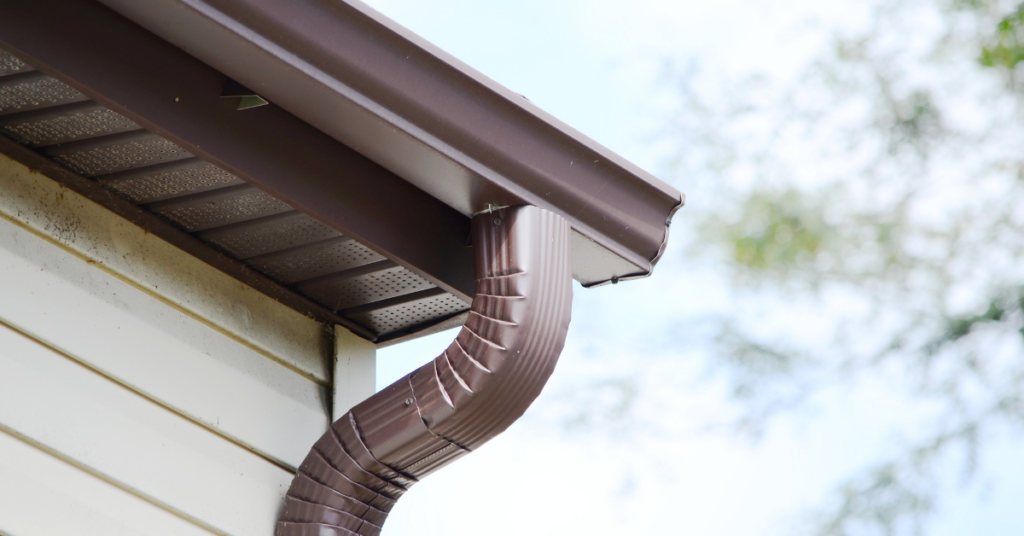
residential home with brown metal gutter and downspout

Having Issues With Your Downspouts? Try These Troubleshooting Tips!

Tell us if this sounds familiar. You look out the window during a storm to find a waterfall coming from a six-foot long section of gutter. “That shouldn’t be happening,” you think to yourself before noticing—with a sigh—that there’s barely a trickle coming from the downspouts themselves.

What’s causing this? There are a few reasons your gutters could be having issues—wear and tear, poor installation, blockages, and more—let’s get into them so you can put a stop to the waterfalls coming from your gutters.

Common Downspout Problems

Clogged Gutters

Those waterfalls we mentioned are likely a result of one of the most common perpetrators of downspout issues: clogs. Leaves, twigs, and dirt can accumulate inside of them, creating a dam that lets little or no water through. When that happens, rainwater needs to find another way off your roof. When you don’t have control over where the water falls, it could pool near your foundation, resulting in costly repairs.

Improper Downspout Slope

When the slope of your downspout has shifted or is too shallow, water may not go in its intended direction. It can back up into the gutters, causing overflows and leaks. Additionally, improper installation or a shift in your home’s structure over time can impact the alignment of gutters and downspouts

Leaks and Cracks

No matter how strong, every material will degrade over time. Due to exposure to the elements and the passage of time, downspouts can develop leaks and cracks. These openings, though small, can cause a significant amount of water to escape over time. Why is this such a bad thing, though? If it runs down the side of your home, water damage or unsightly stains on your siding could become a concern.

Disconnection from Gutter

Wear and tear, storm damage, and poor installation can lead to sections of your gutter system becoming loose or entirely disconnected. When this much water is escaping, the risk of flooding around your home increases. These disconnects are often easy to spot, but they sometimes require a closer look to identify the issue.

Quick Troubleshooting Tips

Clearing Debris

Here are a few steps you can take to remove that pesky debris from your gutters and downspouts. As always, please take the proper safety steps.

  1. Firmly plant a ladder to access the top of the downspout.
  2. While wearing gloves, use your hands to remove as much debris as possible.
  3. Use a hose to flush the remainder of the blockage. If that doesn’t work, use a plumber’s snake.

Checking for Proper Slope

We have a homework assignment for you (please try to contain your excitement): During the next rainfall, keep an eye on the flow of water within your gutters and downspouts. If the water isn’t draining properly, an adjustment may be in order. Reposition the brackets that hold the downspout in place, or add additional supports to mitigate shifting.

Repairing Leaks

Hopefully, any cracks or leaks you have will be small. If that’s the case, apply a waterproof sealant to the area affected. If the damaged area is large, we suggest replacing the affected piece entirely.

Reattaching Loose Downspouts

If you do come across a loose downspout, it’s best to clean both the downspout and the outlet of the gutter before attempting to reattach it. Using screws or gutter clips, attach it back in its intended position and ensure the connection is tight to avoid a repeat of the issue.

Preventative Maintenance Tips

Regular Cleaning Schedule

One great way to prevent clogs is to clean your gutters and downspouts on a regular basis—at least twice a year. While there will certainly be debris buildup between cleanings, it will likely not get bad enough to cause clogged gutters. Additionally, frequent easy cleanings are much more manageable than a full unclogging, where you’ll potentially discover further damage.

Installing Gutter Guards

Gutter guards are a great way to keep those pesky fall leaves out of the gutter system. They can extend the life of your downspouts by reducing the frequency of cleaning required and minimizing clogged gutters.

Checking for Damage After Storms

Sometimes, one of the most effective things you can do is simply use your eyes. When a storm has passed, give your whole gutter system a good look to make sure there’s been no damage or disconnects. Additionally, listen to the flow of water. If you hear a slight trickle rather than more substantial runoff that’s expected following a storm, there may be a blockage.

Conclusion

Taking care of any and all downspout issues as they pop up is an essential part of protecting your home from water-related damage. If you fail to do this, it could have costly consequences on your foundation and other major structural elements of your home. By following these tips, you can make sure your downspouts are in great working order year-round. If you come across a problem that’s too complex to take care of by yourself, don’t hesitate to rely on the professionals at PJ’s Roofing. We’re always happy to help.

So what are you waiting for? Give us a call so you can get your mind out of the gutter!

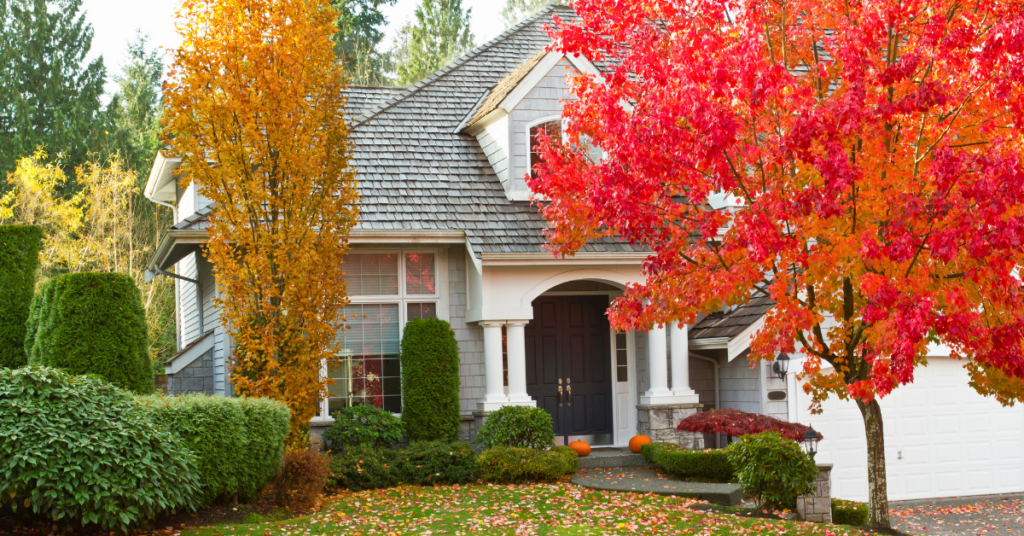
house in fall in need of a residential roof replacement

Why Fall Is the Best Time for a Residential Roof Replacement

Fall has finally come knocking. At long last, we can go outside without sweating after five steps. Our kids and dogs can jump into massive piles of leaves. We can sit by the fire with a cup of hot cider. But there’s one thing we can do that, while not particularly fun, could save plenty of headaches (and money) down the line: Get a residential roof replacement.

When you think about it, this is the perfect season for a new roof. The weather is ideal, harsher conditions are likely approaching (but not yet here), and your scheduling options are robust. So grab your cider, cozy up, and hear us out.

Mild Weather Conditions

Imagine being up on a roof all day in the scorching summer sun. You’d probably be sweating buckets and hydrating every couple of minutes. On the other side of that coin is the prospect of performing a residential roof replacement in the cold midst of winter. Your hair would be frozen and you may not even be able to feel your fingers.

We’re not trying to get you to feel sorry for us; we’re tough enough to handle those conditions. But there’s no denying that they aren’t ideal compared to the more mild weather offerings of a season like fall. When there are no summer thunderstorms or winter blizzards to contend with, our roof replacement services are at lower risk of scheduling delays.

As for the roofing materials themselves, they also benefit! This time of year offers temperatures that generally stay within a range that allows roofing materials to set properly. This ensures that everything is as it should be when all is said and done.

Preventing Winter Weather Damage

To quote the late Ned Stark: “Winter is coming.”

Winter may be the season that presents the harshest weather conditions; snow, ice, and freezing rain can all put significant strain on your roof. Because of that, being prepared for it to hit is important to the integrity of your home. When you get a residential roof replacement in autumn, you’re giving your entire home a fresh new shield that protects it from leaks, ice dams, and various other types of damage attributed to cold weather. This proactive approach will save you untold amounts of money down the road, and you’ll be able to enjoy those winter nights by the fire without a care in the world.

Scheduling and Availability

Fall is the season that gets everyone excited about the holidays. After all, we have Halloween, Thanksgiving, Hanukkah, Christmas, Kwanzaa, and more to look forward to. Everyone is planning for trick-or-treating, family get-togethers, and gift shopping. Know what they’re not thinking about? Roof replacement services. Take advantage of that!

Since summer tends to be a busy season for roofing contractors like us, there’s much more scheduling flexibility in the season following it. We offer better availability, meaning you’re even more likely to see your project completed within your timeline.

To top it all off (pun not intended), you may even discover more competitive pricing in the fall, thanks to contractors wanting to fill their schedules. You can use this competitive time to your advantage!

Maximizing Energy Efficiency

Getting a fall residential roof replacement doesn’t just prepare you for winter and its chilly weather—it can give your home a welcome boost in energy efficiency. One crucial aspect of a new roof is insulation, which helps to reduce heat loss when the outdoor elements are trying to turn you into a popsicle. When that insulation is new and expertly installed, it’ll keep all the warm air your HVAC has been providing right where it should be: Inside your home. When you’re not having to work that system to the maximum (and potentially killing it), you’ll notice significantly lower energy bills. 

Busy Fall, Cozy Winter

Fall is arguably the best time to get a residential roof replacement. Thanks to the mild weather conditions it offers, you can enjoy a more reliable schedule. In addition to that, your home will get a massive boost in protection thanks to the sturdy new materials and insulation that keep the heat in and the cold air and water out! Of course, you should only get a new roof this fall if there’s good reason to. If that’s the case, we’re ready to top off your home with the best defense around. Get in touch with us, and our roof replacement services will make your winter a whole lot easier!

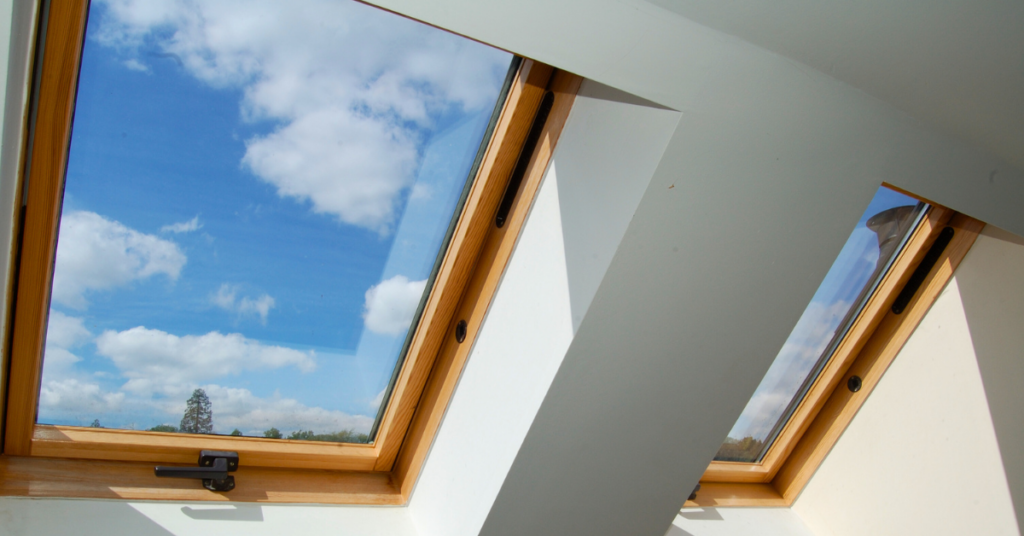
two skylights installed in the ceiling of a home

Skylights That Can Fit Any Home and Any Budget

There’s a reason we try our hardest to get outside on sunny days. There’s something about sunshine–natural light in general–that brings warmth not just to the body but to the mind and spirit. Still, we can’t be outside all the time, so we do our best to bring the outdoors into our homes. Big windows. Sliding-glass doors. Anything to bring in the light, including skylights.

A skylight is a fantastic addition to any home. By allowing natural light to flood in, a skylight can create a bright and welcoming environment while reducing the need for artificial lighting, improving energy efficiency. Additionally, the aesthetic appeal of a well-placed skylight can transform the look of a room, making it feel more open and connected to the outdoors.

There are many types of skylights available, probably more than you think. But whether you’re looking for a simple solution to increase natural light or an option that provides ventilation and energy savings as well, there’s a skylight that can meet your needs. Here’s a breakdown.

Fixed Skylights

A fixed skylight is a non-opening skylight designed to provide a constant source of natural light. It’s a classic option that brings the outdoors in a very simple, straightforward manner.

Ideal Use

A fixed skylight is perfect for a room where ventilation isn’t a priority, such as a living room, hallway, or other area where your goal is simply to maximize natural light.

Benefits

A fixed skylight is low maintenance. It has no moving parts; this also makes it highly energy-efficient, as there’s less opportunity for air leakage. A cost-effective option, a fixed skylight is perfect for homeowners on a budget who still crave the beauty of natural light.

Ventilated Skylights

As the name suggests, a ventilated skylight—also known as a “venting skylight”—can be opened to allow fresh air into your home. As opposed to the fixed skylight, the ventilated skylight combines the uplifting effect of natural light with the cooling effect of extra ventilation.

Ideal Use

A ventilated skylight is ideal for kitchens, bathrooms, or any room where you need increased airflow. This could be to reduce moisture, improve air quality, or simply allow for a nice breeze.

Benefits

By increasing circulation, this type of skylight reduces moisture buildup as well as mold and mildew. It also contributes to a more comfortable home by improving air quality and reducing indoor pollutants. And never underestimate the psychological benefit of cooling airflow on a warm day.

Tubular Skylights

A tubular skylight is a compact, cylindrical skylight that uses reflective tubing to direct sunlight from the roof into small or hard-to-reach spaces in your home–essentially piping in daylight.

Ideal Use

It used to be that installing a skylight–and enjoying the benefits of natural light–meant cutting a hole in your roof. But you can’t always do that. A tubular skylight gets natural light into places you never thought possible. As such, it’s perfect for a small room, a hallway, or a closet—any area with limited roof space where a traditional skylight is simply not feasible.

Benefits

A tubular skylight is highly cost-effective and easy to install, making it a great option for tight spaces—and tight budgets—of all kinds. It also provides a surprising amount of light relative to its size, making it an effective way to bring natural light into any dimly lit area of your home.

Solar-Powered Skylights

A solar-powered skylight is equipped with solar panels that power its opening and closing mechanism, making it an eco-friendly option as well as an energy-efficient one.

Ideal Use

A solar-powered skylight is ideal for the eco-conscious homeowner as well as the energy-conscious one—anyone looking to reduce their carbon footprint and/or energy costs.

Benefits

A solar-powered skylight offers the convenience of remote control and automated operation, all while reducing energy costs. Additionally, such a skylight may qualify for tax incentives or rebates, making it an attractive option for those interested in sustainable home improvements.

Custom Skylights

As the name suggests, a custom skylight is designed and built with your needs in mind, to fit a unique space or a specific design preference. This allows for a high degree of personalization.

Ideal Use

A custom skylight offers maximum flexibility, and is ideal for homes with a specific architectural style or a non-standard roof design–anything that calls for a tailored approach.

Benefits

The flexibility in design offered here allows homeowners to create a unique focal point that enhances the overall aesthetic of their home. Whether you’re looking for a specific shape, size, or material, a custom skylight can be crafted to meet your precise specifications.

Go Toward the Light

Finding ways to bring the outside in will always be high on any homeowner’s renovation wish list. With so many options, and the potential to bring uplifting light or better ventilation to your home, a skylight offers an affordable and effective way to do just that. Consider your specific requirements and consult with a professional to choose the best types of skylights for your home. Are you ready to explore your skylight installation options? Contact us for a free consultation. We’ll help you bring more light into your life with the perfect skylight installation.

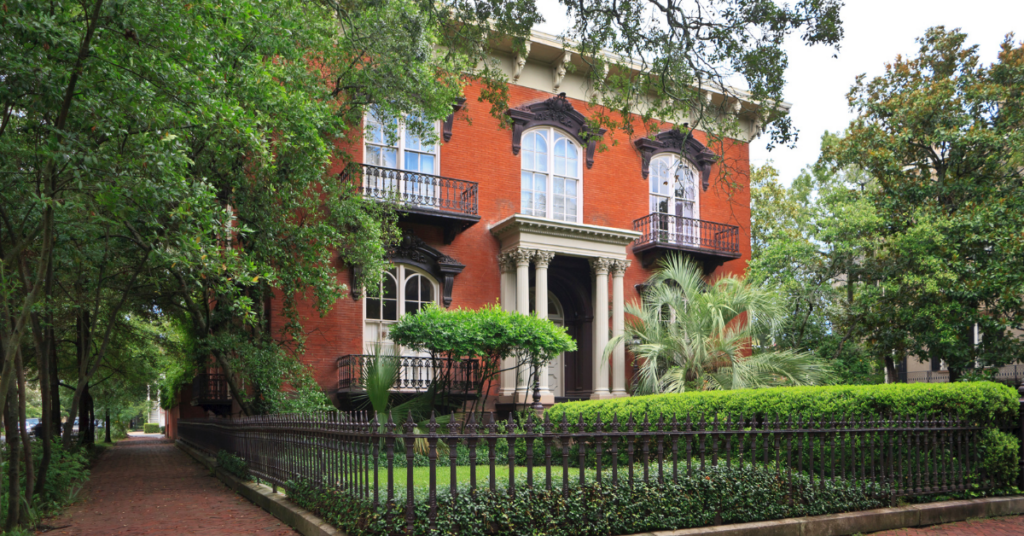
large red brick historic home

Roofing Tips for Historic Homes

As a resident of Frederick and its surrounding areas, you’re probably familiar with the significance and beauty of historic homes and other buildings. Plenty of residences near downtown are striking examples of well-preserved architecture from bygone years. Just down the road, there’s the Schifferstadt. Though it’s a museum now, it began its existence as a home in 1758. 

Due to the passage of time, these buildings have clearly required upkeep and updates over the decades and centuries. Despite this, they’ve maintained their historic charm thanks to thoughtful maintenance. One large part of that is, of course, the roofing. How do you build a roof that’s up to modern standards but manage to keep that old-timey feel? We’ve got some roofing tips in that department!

Understanding the Historical Context

Before you get to work on any historic homes and their roofing, we advise gaining an understanding of the architecture you’re dealing with. This will be a big factor in the materials you use and the techniques you implement. For example, if you’re updating a colonial home, wood shingles might be the right call. Need to update a 19th-century home’s roof? Slate and clay are the way to go.

Of course, it’s essential to strike the right balance between historical and modern. While the colonial home’s wood shingles may be accurate, you probably shouldn’t mimic the techniques and material qualities they used back then. Look for modern materials that share visual similarities with the materials of old, along with an expert roofing company that can help you out.

Inspection and Assessment

No roofing work should be done without a thorough roof inspection. This helps identify issues early on and prevent minor problems from turning into costly repairs. Though an old roof will likely need a replacement, it should still be treated as a last resort.

Since we’re dealing with old homes here, be vigilant when looking for leaks, deterioration, and structural damage. These issues can be compounded by the passing of time as well as previous repairs that might not have followed historic standards.

When it comes to a roof inspection, some things are better left to the professionals. Major water spots and damage may be easy to spot, but a trained eye is required for the more subtle things that could cause chaos down the line.

Choosing the Right Materials

We’ve touched briefly on materials already, but let’s take a deeper dive. Wood, slate, and clay shingles were commonly used in previous eras, and luckily, there are plenty of modern options that fit the visual bill. They look authentic and boast improved durability that’s essential for longevity. These modern versions include synthetic slate and composite shingles. 

As with any construction project, every material option offers benefits and drawbacks. Slate may last a while, but it’s heavy and relatively expensive. Wood shingles check off the authenticity box, but they require more frequent maintenance. Finally, clay tiles can provide that authentic look along with resistance to wind, fire, and even hail, but individual tiles are brittle and relatively easy to break during installation.

Repair and Restoration Techniques

Attention to detail is required when it’s time to address coming issues with your roof like patching or shingle replacement. It’s important that you match the look of the old materials when selecting the replacement parts, otherwise the difference will be easy to spot. Using materials and techniques that mimic the original construction of these historic homes is paramount to a successful repair.

The methods you employ to make updates should stick as closely as possible to historical authenticity. This means you may not be able to employ helpful modern shortcuts in order to respect the craftsmanship of the original builders.

Maintenance Tips for Historic Homes

As with any structure, maintenance is key to the longevity of historic roofs. Don’t cut corners on routine inspections, gutter cleaning, and debris removal or you could be facing repairs sooner than you anticipated.

It’s also important to make sure the roof is prepared for the changing of seasons. Check for loose shingles and make sure the home has proper insulation before winter comes knocking. This could be the difference between suffering snow and ice damage and avoiding it altogether.

Small leaks, minor deterioration, and other commonplace housekeeping issues are always possible. We recommend keeping a checklist of things to look for and doing inspection rounds every now and then so no potential issues go unnoticed. Keeping a keen eye on the status of your historic roof will ensure it stays in good shape.

Hiring the Right Professionals

Finding the right contractors to do all this work can be your saving grace, especially when such care needs to be taken to preserve homes that have been around for hundreds of years. Luckily, everyone on our team understands the significance of these buildings and how important it is to keep them standing. Their roofs are a major part of their survival, and we’re happy to make sure they stay intact. We’ll save you time and money in the long run, and make sure the historical integrity of your home is kept intact.

Conclusion

Historic homes are part of American culture. It would be a shame to let something like a leaky roof spell doom for any of them. At PJ’s Roofing, we’re happy to help if you need a little TLC applied to your aging house. We’ll take the proactive steps needed to make sure it lasts for years to come. Get in touch with us and let’s save history!

row of residential homes in need of roof maintenance

5 Common Roofing Myths Debunked

When Emily’s ceiling started to sag, she knew she needed a new roof. So, she started to think about saving some money by replacing it herself. She read some DIY articles about residential roof installation and figured she could handle it. Thankfully before starting, she called PJ’s Roofing, and ultimately decided to have the professionals install it.

We understand why having a well-maintained roof matters. After all, this isn’t just the top of your house; it also protects your home’s structural integrity by evenly distributing the weight of the top of your home along with any snow and wind loads. This maintains the stability and integrity of the entire structure. In addition to shielding your home from rain, snow, hail, and wind, it stops water from seeping in and damaging your home’s interior.

However, misinformation about roofing and roof maintenance can lead to costly mistakes. That’s why we’re here to debunk five common roofing myths that could be affecting your home.

Myth 1: “Roofs Don’t Need Regular Maintenance”

Let’s start by talking about the common myth that your roof’s maintenance can basically survive solely on sunshine because it doesn’t need any human help. Actually, the opposite is true. Regular roof maintenance can prolong your roof’s life by preventing major issues from popping up farther down the line. If you schedule regular inspections and take proactive steps such as cleaning away debris and checking for damage, you can end up saving yourself from many costly repairs in the future.

Myth 2: “All Roofing Materials Are the Same”

However, not all roofing materials are created equal. Each type, including asphalt, metal, or other materials, has its own individualized properties, and each suits different needs, environments, and budgets. When considering any residential roof installation or repair, you’ll want to be sure to choose the best for the job material based on factors such as climate, budget constraints, and the design of your home. We can help you make an informed decision that’s designed for your home’s specific needs.

Myth 3: “A New Roof Can Be Installed Over the Old One”

Everybody loves the idea of saving money while they’re saving time, so for a residential roof installation, simply laying new shingles on top of the existing roof sounds amazing. Sadly, that may not always be the best solution. Having too much material piled on the top of your home can weigh down the roof, cause hidden damage, and compromise your new roof’s integrity. Our professional recommendation is to go for a complete roof replacement for its safety and longevity.

Myth 4: “Roof Leaks Are Always Easy to Spot”

Let’s go back to our story about Emily. In her case it was obvious that her roof was leaking. However, despite what many people believe, roof leaks are not always immediately noticed. They can be sneaky, and end up causing damage that you might not even see for a while. Some signs to look out for include water stains on walls or ceilings. These are good indicators, but sometimes leaks can still go undetected until they turn into major issues. That’s why professional inspections are so important to catching these hidden leaks early.

Myth 5: “Roofing Is a DIY Job”

While the appeal of saving money by tackling roofing projects yourself may be tempting, the risks and hazards associated with performing installation, roof maintenance, or a residential roof repair yourself can far outweigh any potential savings. Remember Emily, who wanted to put on a new roof all by herself? Even she decided that this kind of work is best left to the professionals because it’s a specialized skill that requires a lot of experience, knowledge, and proper safety measures. When you hire professional roofers like us, you can be confident that the job is going to be done correctly, efficiently, and safely.

A Roof’s Added Job

Your roof also adds a lot to your home’s appearance and curbside appeal. It can add to its architectural design, style, and character by making it more attractive and charming.

Knowing What’s True and What’s a False

It’s important to have accurate information for proper roof care. By shining a light on these common myths and revealing the truths behind them, we give homeowners the ability to make informed decisions about their roofs.

When it comes to protecting your home, your roof plays an important and complex role, and that’s why it’s always best to use a professional company for your roofing needs. Remember PJ’s Roofing is an expert professional company with high-quality workmanship and superior materials, and we provide exceptional service.

Please don’t try to perform a residential roof repair, roof maintenance, or a residential roof installation yourself. This can be dangerous and expensive. Professional roofers have the experience, skills, and tools necessary to install your roof correctly so that it meets all safety standards and building codes. Trusting us for your roofing needs will give you peace of mind, knowing your roof is in the hands of dedicated professionals. For any roof concerns or projects, please reach out. As your roofing professionals, we’ll handle all of your roof maintenance needs with precision and care, keeping your home safe and secure.

yellow house with a brown roof

Our Ultimate Checklist for Summer Roof Maintenance

Are you getting ready for summer? Maybe you’re looking forward to a vacation or perhaps you’re thinking about relaxing by the pool. This is also the time of year when many people think about spring cleaning, making some home improvements, and gardening. As you look forward to all of that, it’s also important to take care of your roof maintenance chores in order to avoid any nasty surprises sneaking up on you.

Make sure that your roof is in prime condition to help keep your home cool and comfortable when the temperatures start to rise. You’ll also want to make sure it’s sturdy and won’t start leaking during the season’s heavy rainstorms. Keep in mind that regularly planned maintenance not only prolongs your roof’s life but also helps prevent costly repairs farther down the road. 

PJ’s Roofing understands the role this plays in protecting your home. That’s why we’ve created this comprehensive guide for summer roof maintenance. Here we cover everything from inspecting for damage to scheduling professional inspections. If you follow these roof maintenance tips, you can proactively address any issues and maintain your home’s structural integrity.

Inspect for Damage

The very first step is to perform a thorough inspection of your roof, looking for any signs of wear and tear. Be on the lookout for loose or missing shingles, examine the areas around vents and chimneys, and note anything that may require your attention. Scheduling regular roof maintenance services allows you to identify and address any damage early on, preventing more significant issues from popping up when you least expect them.

As you’re inspecting it’s important to check for any water damage or leaks that may have occurred. Pay close attention to the interior of your home as well, as water stains on the ceiling could indicate a roofing problem. Additionally, take a look at the gutters and downspouts for any debris that may be blocking proper water drainage. Addressing these issues promptly can help prolong the life of your roof and prevent costly repairs down the line. Regular inspections and maintenance are key to ensuring your roof’s longevity and efficiency.

Clean Gutters and Downspouts

Proper drainage stops water from building up. Clearing debris and leaves from gutters and downspouts is a simple yet important and effective step in maintaining your roof’s integrity. Clogged gutters can cause water to overflow and seep into your home, leading to water damage and mold growth. Thankfully regular roof maintenance that includes cleaning your gutters and downspouts can stop this.

Trim Overhanging Branches

If you have any overhanging branches, cut them back before they have a chance to pile up and cause damage. This will also prevent them from rubbing against your roof and causing shingle damage. Regularly pruning branches reduces the risk of falling limbs when the winds are high. It also improves air circulation and increases sunlight exposure. Regularly scheduled roof maintenance includes trimming back wayward branches which might be sheltering squirrels or snakes, or worse still, might come crashing down on your roof during a thunderstorm. Thankfully, cutting them back will help give your home that all-important curbside appeal everybody’s looking for.

Check Attic Ventilation

Your attic needs to have proper airflow to keep it from becoming too hot or cold. Inspect your vents for blockages or damage to maintain optimal ventilation which helps regulate both temperatures and humidity levels, preventing moisture buildup and mold growth. This is an important step in roof maintenance as it protects your roof for a long and healthy lifespan. 

Seal Gaps and Cracks

Sealing gaps and cracks around vents and pipes prevents air leaks and reduces the strain on your cooling system, making it more energy efficient and reducing the risk of water damage. This makes it easier to establish a consistent temperature indoors, creating a more comfortable space for living and working. With all your gaps and cracks sealed, your home can have better air quality too since there won’t be nearly as many pollutants and allergens invading your indoor airspace. Your favorite perk might be lower energy bills. You can save money while reducing energy waste and contributing to a more eco-friendly environment.

Clean and Treat Moss or Algae Growth

In addition to simply being unattractive, moss and algae can trap moisture against your roof’s surface, leading to rotting and deterioration. If you see moss or algae growing, use appropriate cleaning solutions or treatments and remove it. Some roof maintenance tips include using eco-friendly cleaning solutions and gentle scrubbing techniques. By regularly cleaning and treating moss or algae growth, you can prevent damage and help keep your roof looking great.

Schedule Professional Inspection

Regular maintenance is essential, and scheduling a professional inspection allows for a thorough assessment of your roof’s condition. Let PJ’s Roofing help you address any issues early on to stop them from turning into something more significant and difficult to solve. We’ll quickly perform any necessary repairs so you can keep your roof healthy for a long time. 

Looking Ahead

Following this guide and scheduling regular inspections will keep your roof in optimal condition. This gives you peace of mind that comes from not having to worry about any costly repairs in the future. You need to have a routine that includes roof maintenance services. by implementing these roof maintenance tips and staying proactive, you’ll have a healthy roof that withstands the test of time. Contact PJ’s Roofing for more information.